Workshop on “How to Write and Submit Research Paper in Scopus Journal”
Organized by
Department of Languages (Rahul Sankrityayan Subharti School of Linguistics and Foreign Languages), Faculty of Arts and Social Sciences
Swami Vivekanand Subharti University, Meerut
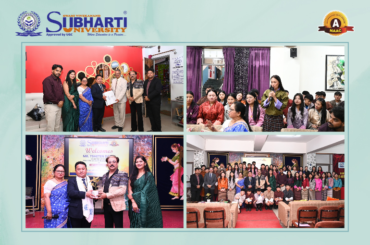
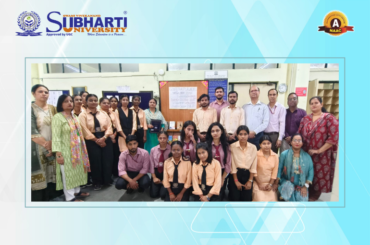
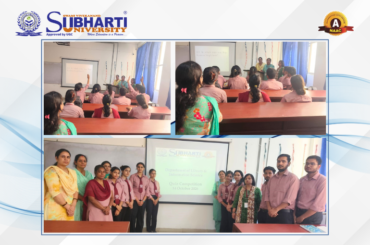
A one-day academic workshop titled “How to Write and Submit Research Paper in Scopus Journal” was organized on 5th June 2025 by the Department of Languages, Faculty of Arts and Social Sciences, Swami Vivekanand Subharti University, Meerut. The primary objective of this workshop was to provide theoretical and practical guidance to researchers, students, and faculty members on writing and publishing research papers in prestigious international journals indexed in Scopus. The event aligned with the goals of the university’s research development programs.
The workshop commenced with an inaugural address by Prof. Sudhir Tyagi, Dean of the Faculty of Arts and Social Sciences. He emphasized the growing significance of high-quality research in today’s global academic landscape. According to him, publications in reputed databases like Scopus are now a key indicator of an institution’s academic integrity and excellence. He also stressed that transparency, originality, and global relevance must be the foundation of all research practices.
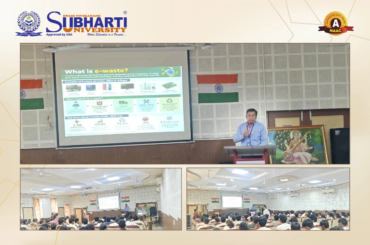
The keynote speaker was Dr. Anirudh Srivastava, Associate Professor and In-charge of the Publication Cell, Swami Vivekanand Subharti University. Dr. Srivastava delivered an insightful and detailed lecture on the technical aspects of writing research papers. He addressed crucial components such as topic selection, literature review methods, formulation of research questions, research methodology, data collection and analysis, interpretation of results, and conclusions — all of which contribute to the quality of a research paper.
He also elaborated on the peer-review process, ethical standards in publication, and strategies for selecting suitable journals for submission. Dr. Srivastava’s session was conducted using PowerPoint presentations, real examples and live demonstrations, making complex topics easily understandable for the participants. His key points included:
- Topic Selection: Should be relevant, novel, and socially/culturally impactful.
- Problem Statement and Objectives: Must be clear and address a specific research gap.
- Literature Review: Should show awareness of existing research and explain how the current study adds to it.
- Research Methodology: Must be scientifically and ethically sound.
- Ethics and Originality: Proper citations and avoiding plagiarism are foundational to Scopus publishing.
The workshop concluded with a vote of thanks by Dr. Seema Sharma, Head of the Department of Languages. In her address, she highlighted that this workshop was not an isolated academic event, but part of a broader vision to elevate research quality at the institutional level. She stated, “Publishing in Scopus-indexed journals is not merely an individual milestone, but a reflection of the research maturity of an institution.” She further announced plans to organize advanced workshops and webinars on similar themes in the near future, enabling researchers to earn recognition in the global academic arena.
Prominent attendees included Prof. Sudhir Tyagi, Dr. Seema Sharma, Prof. Rajeswar Pal, Dr. Yashpal Sharma, Dr. Rafat Khanam, Dr. Ranveer Singh, Dr. Anju Bawara, Dr. Nishi Raghav, Dr. Preeti, Ms. Saniya, Mr. Abhijeet, Mr. Ankit, Dr. Sapna, Dr. Alpana, Dr. Amrita, Dr. Kiran, Dr. Mohini, Dr. Preeti Singh, along with numerous students and research scholars.
Outcomes of the Workshop
- Enhanced Understanding: Participants gained a comprehensive understanding of the step-by-step process involved in writing and submitting papers to Scopus-indexed journals.
- Skill Development: The workshop equipped researchers with the tools to identify suitable research topics, formulate clear objectives, and use appropriate methodologies.
- Awareness of Ethical Practices: Emphasis was laid on research ethics, plagiarism prevention, and academic integrity.
- Motivation for Quality Research: The session inspired many attendees to work towards publishing in high-impact journals and contribute meaningfully to their respective disciplines.
- Commitment to Follow-up: The Department of Languages expressed intent to organize more advanced-level training sessions to strengthen the university’s research ecosystem.